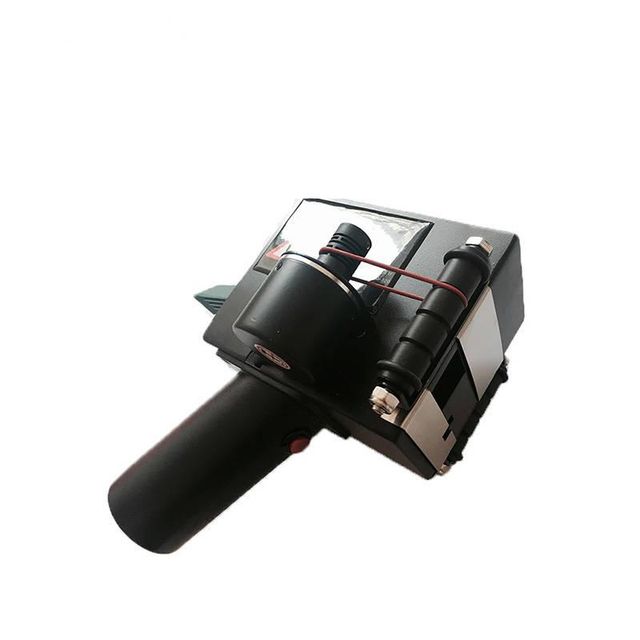
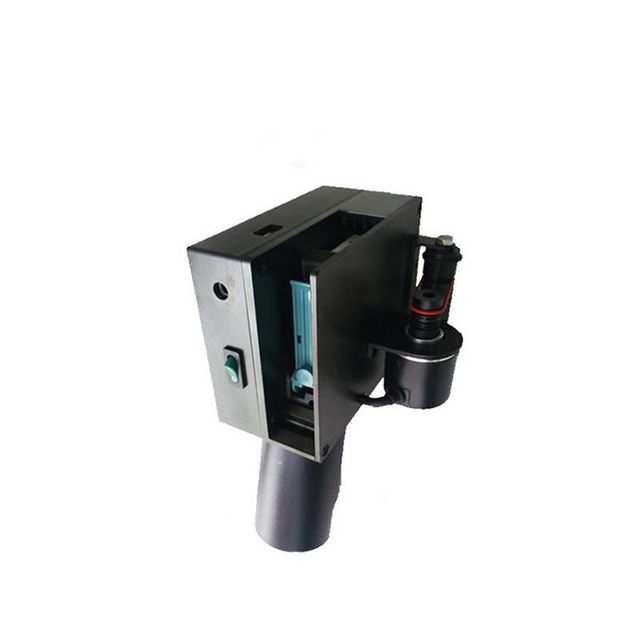
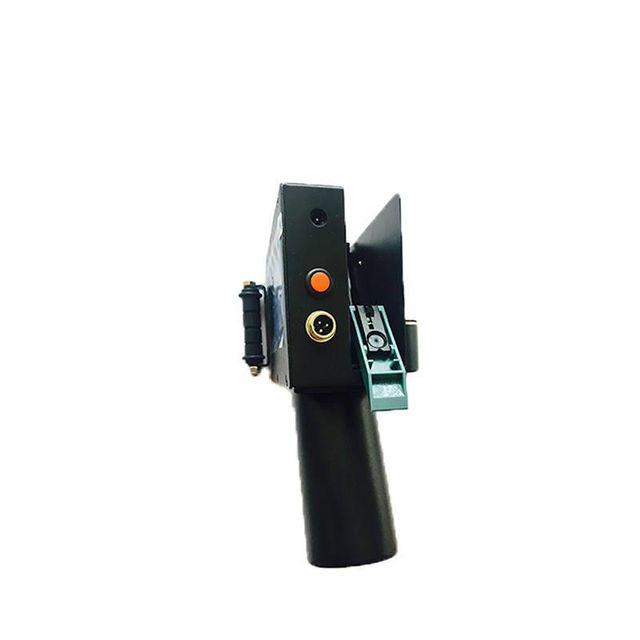
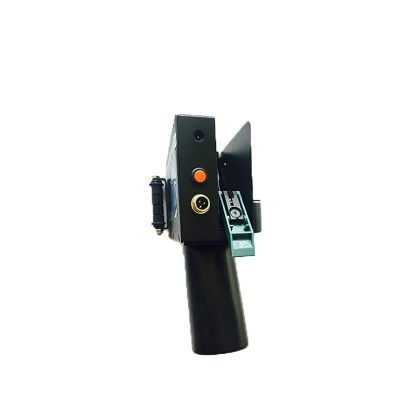
Handheld Inkjet Coding Printer
Product reference: MCH-00415
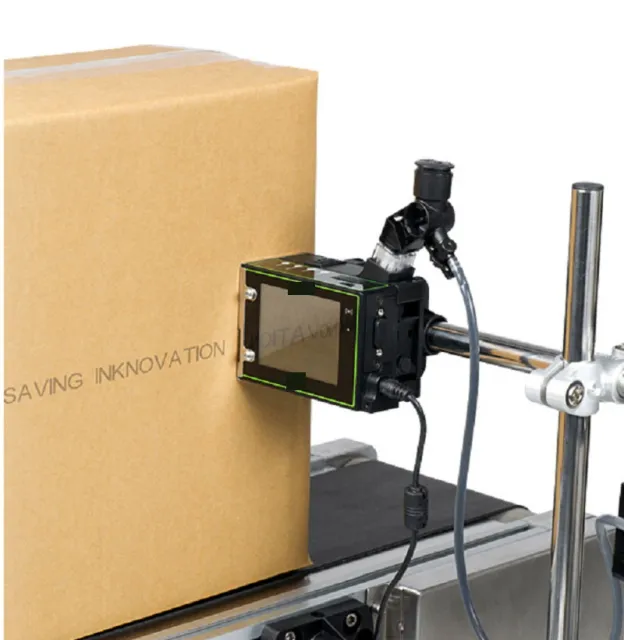
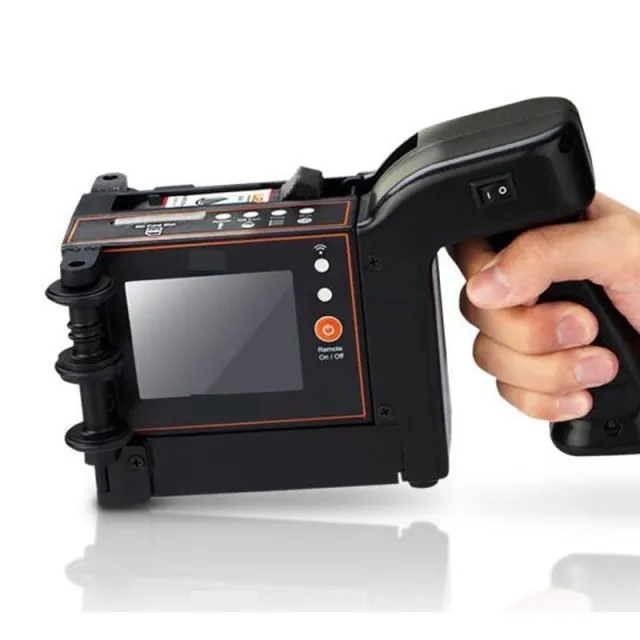
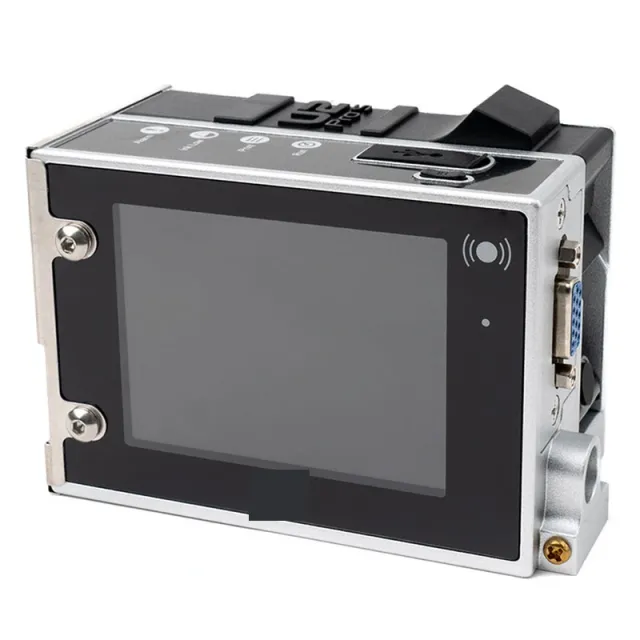
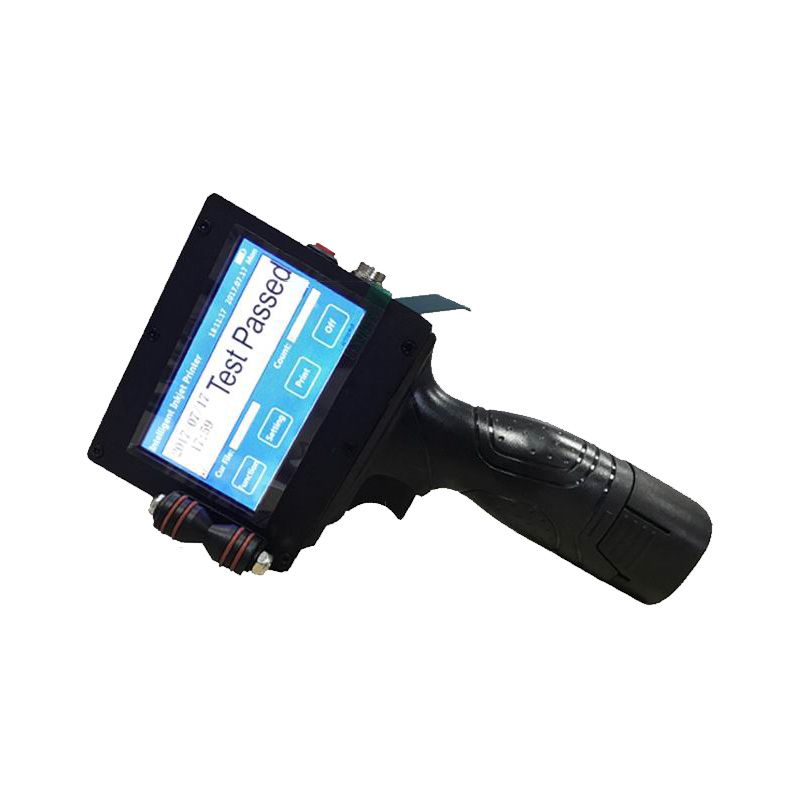
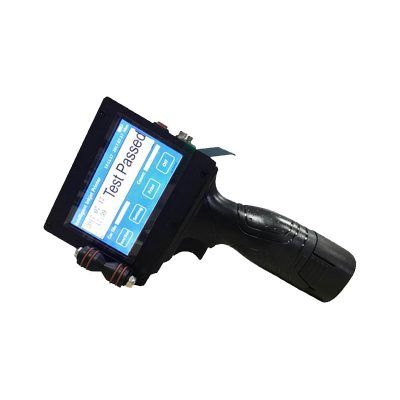
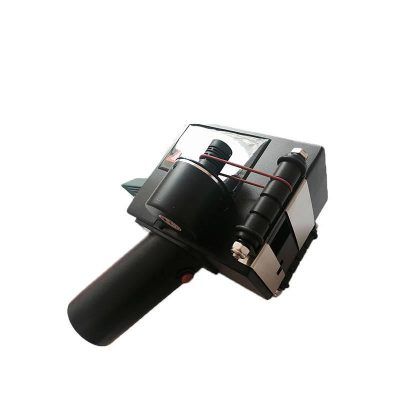
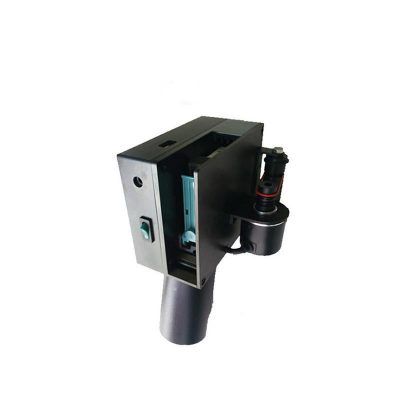
The AK-150 handheld coder uses replaceable HP cartridges and a touchscreen for direct editing and printing. It supports dates, time, serial numbers, barcodes, QR codes, logos and graphics.
- Printing and application surfaces
- Paper & cardboard, Plastic substrates, Metals
- Containers and print media
- Bottles & containers, Cartons & boxes
The printing or labeling system is selected for the application surface, code or label size, and production line speed.
Details & features
Operation and features
Prints dot fonts, numbers, symbols and graphics, with Chinese and English support. It operates by hand or on a production line using a separately supplied optional photoelectric interface.
Supports operation while charging, with a live battery indicator and low operating noise.
Use and care
Store in a dry, clean location and avoid dropping the unit. Use the specified charger and follow the device charging instructions. The source recommends a charge/discharge cycle every three months during extended storage.
Surfaces and applications
Boards, cartons, stone, pipes, cables, metals, glass, plastics, electronics, automotive parts, fibreboard, light-steel sections and aluminium foil. Applications include food, beverage, pharmaceutical and chemical packaging, with suitable ink selection.
Technical specifications
Values depend on the model and configuration. Final specifications are confirmed with your quotation.
| Model | AK-150 |
|---|---|
| Listed resolution | 600 DPI |
| Stated character capacity | 80 million characters at 2 mm; the source does not clearly distinguish storage capacity from ink yield |
| Battery | 12.6 V rechargeable lithium battery |
| Listed operating temperature | Below 60°C; confirm against the approved device manual |
Points to confirm when selecting a configuration
- The source associates 600 DPI with the display. Confirm actual print resolution and the meaning of the 80-million-character figure before using them in a technical quotation.